Botox sits at an interesting crossroads. It is a trusted medical tool used for migraines and muscle spasms, and it is also the go-to cosmetic treatment for softening expression lines. If you talk to ten people who have had botox injections, you will hear ten different stories. Some wanted a subtle refresh for crow’s feet and walked out feeling brighter. Others tried baby botox for the first time and realized they prefer their lines exactly where they are. A few used it as part of a plan to stop jaw clenching and were surprised by how it slimmed their lower face. The range of outcomes makes sense, because botox is not a single look. It is a technique. The key is matching that technique to your goals, anatomy, and tolerance for upkeep.
This piece distills what matters when you are deciding whether a botox treatment fits your aesthetic priorities. It draws on practical details from real practice: dosing ranges, how long botox lasts, what it can and cannot do for wrinkles and skin texture, how cost and maintenance stack up, and the honest trade-offs behind a natural look.
What botox is actually doing
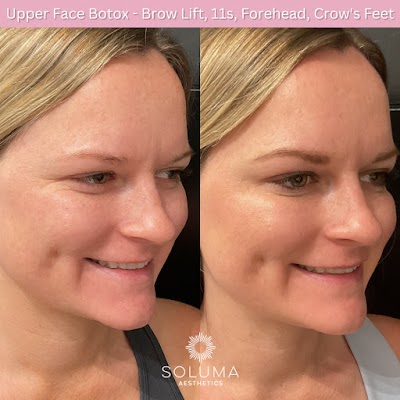
Botox is a purified neurotoxin that temporarily blocks signals from nerves to muscles. In cosmetic use, small amounts are placed into specific facial muscles to reduce the intensity of movement. That decrease in movement softens dynamic lines, the creases that form when you frown, squint, or raise your brows. Typical targets include the glabella (the frown lines or 11 lines), forehead lines, and crow’s feet around the eyes. It also sees use in the lower face when carefully planned: a lip flip for a slightly fuller upper lip without filler, a subtle smile lift for downturned corners, treatment of chin dimpling, and injections along the jawline for masseter reduction when clenching is an issue.
The effect is not a freeze if dosed and placed well. Think of it as a dimmer switch for movement. You still frown, just less forcefully, and the skin over those muscles looks smoother. At rest, botox results tend to look especially good on thin-skinned areas like the crow’s feet and glabella. When you animate, the degree of movement you keep depends on units used, your baseline muscle strength, and how your injector maps your anatomy.
What botox can improve, and what it cannot
Botox for wrinkles works best on lines driven by movement. Those tent-shaped folds between your brows are classic. Forehead lines respond well, as do radiating lines at the outer corners of the eyes. Bunny lines at the upper nose can be softened, and chin pebbling from mentalis overactivity can flatten nicely with a few units. For a gummy smile, small doses can relax the muscles that lift the upper lip too high. Masseter botox can slim a square jaw and, in patients with teeth grinding, reduce jaw pain and wear.
Botox is not a skin tightening treatment. It will not lift heavy sagging, fix jowls, or replace volume loss. Static etched lines, those present even when your face is at rest, often require a combined approach. Microneedling, lasers, or resurfacing procedures address texture, while fillers, bio-stimulators, or fat grafting restore volume. For pronounced neck bands, botox can help, but inelastic skin or heavy platysmal bands might need additional modalities. If you are thinking of it as a facelift alternative, be realistic. Botox can create lift in small, specific ways, like a mild botox eyebrow lift by relaxing the depressor muscles, but it will not reposition tissues the way surgery does.
There are also specialty uses beyond aesthetics, with real spillover benefits. Botox for migraines, hyperhidrosis (excessive sweating), jaw clenching, and teeth grinding has solid evidence and can overlap with cosmetic goals. Patients treated for migraines often notice a smoother forehead. Those treated for underarm sweating might enjoy a cleaner feeling and fewer sweat stains for several months. Be clear with your provider about all your goals so they can tailor a plan that prioritizes safety and function.
The appointment flow and how the procedure actually feels
A botox appointment begins with a consultation. The provider should take photos that capture your baseline, both at rest and with expression. You will likely be asked to frown, smile, squint, and raise your brows. Good injectors watch for asymmetry, and they palpate to gauge how thick or strong each muscle is. A first-time botox patient with strong corrugators might need more units for the glabella than someone with light movement. Conversely, thin foreheads sometimes need fewer units to avoid heaviness.
After cleansing, markings go on the skin. The injections themselves are quick. Most feel like tiny pinches, and many patients are surprised by how little discomfort there is. Ice, vibration, or a dab of topical anesthetic can help if you are needle sensitive. The full cosmetic botox procedure for upper face lines takes 10 to 20 minutes. You will leave with small raised blebs where the fluid sits, which settle within an hour. Makeup is usually safe after a few hours, though many clinics ask you to avoid heavy pressure, facials, or massage for the rest of the day.
Onset, results, and what “natural” really means
Botox effects begin to appear in 2 to 4 days, with full results at around day 10 to 14. If you have an event, build in a two-week buffer for assessment and possible touch up. Many first-timers feel odd in the first week, not numb but slightly unfamiliar, like the forehead is quieter than expected. This settles as your brain adapts to new feedback from the targeted muscles.
The phrase “botox natural look” gets used loosely. In practice, it means keeping some expression, matching the rest of your face, and avoiding a mismatch between the upper and lower face. If the forehead barely moves yet the nose scrunches aggressively, it reads as off. Good planning spreads a modest amount across the forehead and glabella, tempers crow’s feet without erasing them, and considers small adjustments in the lower face if indicated. Baby botox, also called mini botox or micro botox in some practices, uses lower doses spread across more points. It aims for subtle results and can be a smart entry point for the botox curious, especially those with early lines who want to prevent aging rather than reverse established wrinkles.
Longevity and maintenance: how long botox lasts
Botox duration varies. In common upper face areas, results last around 3 to 4 months. Some patients get 2.5 months, others stretch to 5 or even 6 months, especially in crow’s feet. Masseter reduction often lasts longer, in the 4 to 6 month range, and sometimes more as the muscle thins with repeated treatments. Foreheads tend to metabolize quicker in highly expressive individuals. The rule of thumb: expect to plan botox maintenance 3 or 4 times a year if you want steady smoothing.
A practical system many patients like is alternating areas by priority. If your glabella drives your tired look, keep it on a 3- to 4-month schedule. Let crow’s feet slide to 4 to 5 months if budget or downtime is tight. Touch-up timing is a matter of aesthetics and function. If you like to see a little movement return before retreating, wait for that, but not so long that deep lines reform. Think of it as staying ahead of crease memory.
Cost, price ranges, and how to evaluate value
Botox cost depends on geography, injector experience, and how the practice prices treatments. Clinics may charge per unit or per area. Per-unit pricing in many US cities ranges broadly, often from about $10 to $20 per unit. A typical glabella takes 15 to 25 units. Foreheads can take 8 to 20 units, depending on brow height and muscle strength. Crow’s feet are often 6 to 12 units per side. Masseter reduction is a larger dose, commonly 20 to 35 units per side for a first session. If you see a very low botox price, ask why. Is it a promotional rate, a smaller dose, or a newer injector rate monitored by a senior provider?
Value comes from placement skill as much as quantity. An injector who understands brow position and knows how to avoid lid heaviness can save you money and discomfort by getting it right the first time. Ask to see botox before and after photos of patients with features and goals similar to yours. Results vary by face shape, age, and skin quality, so a targeted review is more informative than a generic album.
Safety, side effects, and risks worth taking seriously
Most botox side effects are mild and temporary: tiny bruises, pinprick redness, a headache for a day or two, or a feeling of heaviness that resolves as you adjust. The rare but impactful events come from diffusion into nearby muscles. Forehead or brow injections placed too low or in the wrong plane can lead to brow or lid heaviness. It is not common, and it improves as the botox wears off, but it can be frustrating. In crow’s feet, too much spread into cheek elevators can alter your smile subtly. With masseter injections, chewing tougher foods may tire more easily in the first weeks.

Medical contraindications and precautions are real. Pregnancy and breastfeeding are situations where most clinicians delay botox. Active skin infections near injection sites should be treated first. Neuromuscular disorders require careful risk-benefit discussions. If you take blood thinners, expect a higher chance of bruising, and consider whether timing can be adjusted in coordination with your prescribing physician. Communicate your full medical history and all supplements. Even seemingly minor products like fish oil or ginkgo can increase bruising risk.
Technique matters for botox safety. Superficial placement in specific areas reduces diffusion. Mapping a high forehead to preserve brow support is as much art as science. I have seen patients who wanted perfectly smooth foreheads end up preferring a softer, more natural result after one heavy round that flattened their personality. The lesson: conservative first, adjust after two weeks.
Aftercare that actually influences your outcome
The hours after a botox appointment are simple but important. You can go back to work, but skip hot yoga, saunas, and vigorous workouts for the remainder of the day. Avoid rubbing or massaging injection sites for 24 hours. Keep your head upright for the first few hours rather than lying flat. If you get a small bruise, Arnica or a cold compress can help. Makeup is fine later the same day if the skin is closed and calm. If you experience a headache, hydration and an over-the-counter pain reliever that you tolerate well are often enough.
Expect small tweaks at the 2-week visit, not the 2-day mark. Botox needs time to settle and show its full effect. If one brow is higher than the other or a small line persists, a touch up of a few units can even things out. The best results come from botox near me calibrated adjustments across the first two sessions as you and your injector learn how your face responds.
Matching botox to specific aesthetic goals
If your main concern is etched 11 lines that make you look stern, start with the glabella and consider a conservative forehead plan to maintain a natural brow arch. For those who squint and see spoking at the outer eyes, treating crow’s feet creates a brighter, rested look. Patients with a gummy smile often love how a couple of small injections let the upper lip drop just enough. A botox lip flip can make the upper lip look slightly fuller at rest by relaxing the muscle that pulls it inward, though it will not add volume the way fillers do.
Botox for masseter reduction helps a square lower face look slimmer over repeated sessions. Expect it to take two to three rounds spaced a few months apart to see a more tapering jawline. If jaw clenching or headaches are part of your life, this approach may deliver both cosmetic and functional benefits. Chin dimpling from an overactive mentalis smooths nicely with just a few units. Neck bands can be softened, though results vary with skin laxity and band thickness.
I often suggest pairing botox with skin quality treatments. Texture and tone drive how youthful the skin looks even when lines are softened. Chemical peels, light resurfacing, or biostimulators can complement botox anti aging effects. For oily skin or visibly enlarged pores, micro botox (very superficial microdroplets) can lessen oil output and give a fleeting tightness or “botox glow,” but this technique must be performed by someone skilled, and results are variable. It is not a primary solution for sagging skin.
Preventative botox and the early aging debate
Preventative botox, sometimes called early aging prevention, aims to slow the formation of static lines by reducing repetitive folding in your twenties or early thirties. It can work, but it should be used lightly. Over-treating young foreheads can drop the brows and make makeup sit oddly. If your lines appear only with strong expression and your skin bounces back at rest, consider baby botox two or three times a year, or even focus only on the glabella to break the habit of deep frowning. Prevention does not mean immobilization. The goal is to delay etching without blunting expression.
Balancing botox with fillers and alternatives
Botox vs fillers is not an either-or question. They address different layers. Botox relaxes muscle pull. Fillers add structure and volume. For deep forehead lines that persist at rest, a small amount of filler can pair well with light botox, but this area demands an experienced injector due to vessel anatomy. Around the eyes, skin boosters or resurfacing treatments can help crepey texture that botox alone cannot fix. If you want lifting and contouring, look at energy-based devices or, for significant laxity, surgical options. For patients who prefer to avoid injectables, diligent sun protection, retinoids, and a smart skincare routine still move the needle on skin quality, just with slower, cumulative gains.
Who tends to love their botox results, and who does not
Patients who choose finesse over maximal smoothing are usually happiest. They want to look like themselves on a good night’s sleep. They understand that a subtle result today builds to a graceful trajectory over years. They show up for a two-week check and allow micro-adjustments. They know botox recovery is easy, with minimal downtime, but they respect the little rules that keep product where it belongs.
Those who come in with highly specific photo references of heavily filtered faces or expect botox to lift cheeks or erase deep folds often feel underwhelmed if not properly counseled. Sometimes the mismatch is not about botox at all. A patient with hollow temples and strong forehead lines might look better with small-volume temple filler before touching the forehead. Another with midface deflation and smile lines might be a better candidate for cheek support rather than chasing nasolabial folds or lip lines with botox.
A practical decision framework
Use this quick decision checkpoint to clarify whether botox suits you now.
- Your top concern is movement-driven lines on the upper face, and you are comfortable with a maintenance schedule every 3 to 4 months. You value a natural look and are open to starting conservatively, with the option for a small touch up at two weeks. You understand botox benefits and limits: it softens lines and can create minor lifts, but it does not tighten heavy sagging or replace volume. You are willing to avoid strenuous activity the day of treatment and accept small risks like bruising or temporary asymmetry. Your budget aligns with the botox price and any complementary treatments needed for your goals.
Realistic timelines and what to expect across the first year
First appointment: you will see early changes at day 3 to 4, with full botox results by two weeks. If you opted for a lip flip, expect subtle changes at rest, not a fuller lip in photos. If you treated the masseter muscles, chewing fatigue can show up in week one, then fade.
Second session at roughly 3 to 4 months: this is where personalization sharpens. Your injector reviews the botox before and after photos and notes what held well and what faded early. Dosing is fine-tuned. If your forehead felt heavy the first round, they might lift the injection line or reduce units near the brow.
By six to nine months: patterns emerge. You will likely know your ideal touch-up timing, the sweet spot between freshness and over-treatment. For many, the glabella remains the most consistent area to maintain on schedule. If you pursued botox around eyes, you might stretch those sessions slightly depending on your animation habits.
At one year: a candid review helps. You may decide to keep your current plan, add a complementary modality, or skip a cycle and see how your face looks without it. The best long-term outcomes come from measured decisions rather than autopilot scheduling.
Common questions patients ask in the room
People often ask how to avoid a “frozen” look. The simple answer is conservative dosing, higher placement on the forehead, and preserving lateral brow movement. Others ask about botox for pores and oily skin. Microdroplet techniques can reduce shine but are not a cure for acne or texture. For those with migraines or jaw clenching, the question is whether therapeutic dosing will change their appearance. It can. Forehead and glabella therapy softens lines, and masseter reduction can slim the jaw. If facial slimming scares you, your provider can prioritize function with a more modest aesthetic shift.
The botox recovery is straightforward: no downtime in the traditional sense, just short-lived marks and the general advice to keep sweat-soaked workouts off the schedule that day. If a bruise appears, it is safe to conceal with makeup after the needle entry points close.
When to skip botox, at least for now
If you are pregnant or breastfeeding, if you have an active infection in planned areas, or if you are chasing skin tightening that botox cannot deliver, wait. If your expectations are not aligned with the mechanism of action, take time to recalibrate. Sometimes the best first step is a skincare overhaul or a few sessions of resurfacing to improve texture, followed by targeted botox. Patients with very low-set brows and heavy lids may not enjoy forehead treatment, as relaxing the frontalis can reduce the compensatory lift they rely on to open their eyes. In those cases, treating only the glabella or crow’s feet might be safer, or exploring surgical options for brow position if appropriate.
How to choose a provider who aligns with your aesthetic
Look for someone who talks you out of excess. They should ask about how you express yourself on camera, how your brows move when you speak, and what parts of your face feel most “you.” They should be comfortable saying no to a request that will not serve your face long term. Training matters, but so does taste. Ask to see photos of botox subtle results, not just dramatic smoothing. A practice that encourages a follow-up review builds accountability into the process.
The honest pros and cons
Botox benefits include predictable softening of expression lines, a quick visit with minimal downtime, flexible dosing for a natural or more polished finish, and the option to treat concerns like jaw clenching or excessive sweating. It plays well with other modalities, and touch-ups can be light. The cons are the maintenance commitment, the possibility of short-lived side effects or mild asymmetry, and limits around lifting and skin tightening. Cost accrues over the year, and if you chase a perfectly still forehead, you may end up looking less like yourself.
From a clinician’s vantage point, the happiest botox patients are those who treat it as one tool among many. They show their face in motion during consultation, describe how they want to feel more than how they want to look, and keep dosage modest until they see how their muscles respond. They value the quiet confidence of a rested face rather than the chase for wrinkle removal at all costs.
If that mindset resonates with you, botox cosmetic treatments can be a smart, craftable part of your routine. If not, there are plenty of alternatives, and none of them preclude revisiting botox later when your goals, budget, or tolerance for maintenance changes. Either path works if it is deliberate, informed, and grounded in what makes you feel like yourself.